
Grooming is an important part of caring for a pet. Regular brushing, coat maintenance, and basic hygiene can help keep your dog or cat comfortable while giving you an opportunity to notice changes in their skin, fur, or overall condition.
Every pet has different grooming needs. Long-haired animals may require more frequent brushing to prevent tangles, while short-haired pets may need less intensive coat care. Age, coat type, lifestyle, and individual tolerance also influence which grooming routine works best.
Creating a calm, consistent routine can make grooming easier for both you and your companion. With suitable tools, gentle handling, and a little patience, you can turn grooming into a more comfortable part of everyday care.
Choose Grooming Tools That Suit Your Pet
The right grooming tools depend on your pet’s coat and needs. Brushes, combs, grooming gloves, and other accessories each serve different purposes, so it is important to choose tools designed for your animal.
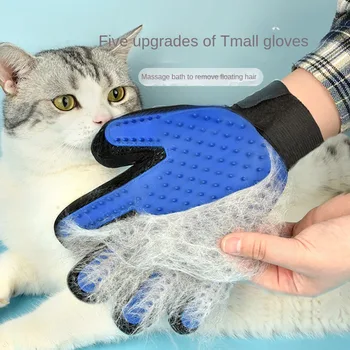
A suitable brush can help remove loose fur and keep the coat manageable. Combs may be useful for checking areas where tangles commonly form, while grooming gloves can offer a different brushing experience for some pets.
Before using a new tool, read its instructions and check that its design is appropriate for your pet. Avoid tools that pull painfully, scratch the skin, or cause your companion obvious distress.
Make Brushing a Regular Habit
Brushing helps remove loose hair and can reduce the amount of fur left on furniture and clothing. For some pets, it also helps prevent tangles and mats from becoming difficult to manage.
Long-haired pets may need more frequent brushing than short-haired animals. However, even pets with shorter coats can benefit from occasional brushing, depending on their coat and shedding patterns.
Work gently and pay attention to areas where knots may develop, such as behind the ears, around the legs, and beneath the collar. Never pull forcefully at a tight mat, as this can hurt your pet.
Keep Bath Time Comfortable
Not every pet needs frequent baths. How often you bathe your dog or cat depends on its coat, lifestyle, skin condition, and any guidance from a veterinarian.
When bathing is appropriate, use products specifically formulated for the animal. Human shampoos may not be suitable for pets, so choose a pet-safe option and follow the product instructions.
Prepare towels and supplies before starting, use comfortably lukewarm water, and avoid getting water or shampoo into your pet’s eyes and ears. Rinse thoroughly and dry your companion carefully in a comfortable environment.
Cats often manage much of their own coat care, so routine bathing may not be necessary for many healthy cats. If your cat becomes heavily soiled or cannot groom itself properly, ask a veterinarian about the safest approach.
Pay Attention to Paws, Ears, and Nails
Grooming involves more than maintaining a clean coat. Checking your pet’s paws, ears, and nails can help you notice dirt, irritation, overgrowth, or other changes that may need attention.
Inspect paws gently for debris, redness, or signs of discomfort. After outdoor activities, wipe away dirt when needed and check between the toes if your pet allows it.
Nail care varies by animal and activity level. If nails become too long, trimming may be necessary, but cutting too close can cause pain and bleeding. If you are unsure how to trim them safely, ask a veterinarian or qualified groomer to demonstrate.
Avoid inserting cotton swabs or other objects deep into your pet’s ears. If you notice a strong odor, unusual discharge, redness, repeated scratching, or head shaking, seek veterinary advice rather than relying on routine cleaning alone.
Keep Grooming Supplies Clean and Organized
Clean grooming tools make it easier to maintain a consistent routine. Hair, dust, and debris can collect on brushes and combs, so remove buildup after use and clean each item according to its care instructions.
Store brushes, combs, towels, shampoos, and other supplies in a dry, designated area. Keep sharp tools and grooming products safely out of reach when they are not being used.
CQ Pets offers grooming accessories, including the 3-in-1 Pet Grooming Brush Comb and Silicone Pet Grooming Glove Brush. When comparing options, consider your pet’s coat type, comfort, and the tool’s intended purpose.
Know When Professional Help Is Needed
Home grooming can support everyday care, but some situations require professional assistance. Severe matting, persistent skin irritation, unusual hair loss, painful areas, or sudden changes in grooming tolerance may need assessment.
A professional groomer can help with coat maintenance and difficult grooming tasks, while a veterinarian can investigate medical concerns. Do not attempt to remove severe mats with scissors close to the skin, as accidental cuts can occur.
If your pet consistently becomes frightened or aggressive during grooming, take a step back and seek advice on making the process safer and less stressful.
Build a Routine Your Pet Can Trust
A good grooming routine is based on your pet’s individual needs, gentle handling, and consistency. Suitable tools and regular checks can make coat care more manageable while helping you notice changes that deserve attention.
Start with small steps, reward calm behavior, and adjust your approach to your pet’s comfort level.
Make grooming a gentler experience, choose one small care habit to practice with your pet this week.



0 Comments