
Caring for a pet involves more than providing food, water, and affection. Everyday essentials such as grooming tools, toys, feeding accessories, cleaning supplies, and walking equipment all play a role in maintaining a comfortable routine.
When these items are scattered around the house, finding what you need can become frustrating. An organized system helps you save time, maintain cleaner spaces, and keep your pet’s necessities within easy reach.
Whether you share your home with a playful puppy, an independent cat, or multiple furry companions, a few simple organization habits can make daily pet care easier to manage.
Create a Dedicated Space for Pet Supplies
One of the easiest ways to stay organized is to establish a designated area for your pet’s belongings. This could be a shelf, cabinet, storage basket, or small section of a closet.
Choose a location that is convenient for your routine. Keep frequently used items, such as leashes, waste bags, and feeding accessories, somewhere accessible. Less frequently used supplies can be stored separately to prevent clutter.
If you have more than one pet, consider assigning each animal its own basket or storage section. This makes it easier to find the correct items and helps prevent belongings from getting mixed up.
Organize Feeding and Watering Accessories
Food bowls, water bowls, measuring scoops, food containers, and feeding mats are among the most frequently used pet essentials. Keeping them together can simplify mealtimes and make cleanup more convenient.
Choose a feeding area that is easy to clean and allows your pet to eat comfortably. Wash food and water bowls regularly, and clean the surrounding floor to prevent residue from accumulating.
Store dry pet food in an appropriate, sealed container and follow the manufacturer's storage instructions. Keep food away from moisture, excessive heat, and pests. Preserve the original packaging when practical so you can refer to the product information, ingredients, and expiration details.
For pets with different dietary requirements, label containers clearly and keep their food separate.
Keep Grooming Supplies Together
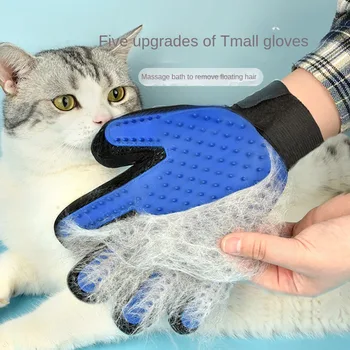
Brushes, combs, pet-safe shampoos, towels, nail-care tools, and other grooming essentials are easier to use when stored in one place.
A small caddy or divided container can help keep these items organized. Separate clean towels from used ones, and allow grooming tools to dry completely before putting them away.
Check supplies periodically for damage or expiration dates where applicable. Dispose of products that are no longer suitable for use, and replace worn tools that could scratch or irritate your pet.
Remember that grooming needs differ between animals. Keep only the tools appropriate for your companion's coat, age, and care requirements.
Make Toys Easy to Find and Put Away
Pet toys can quickly take over living rooms, bedrooms, and other shared spaces. A simple storage basket can help keep play areas tidy while allowing your pet to enjoy a variety of activities.
Separate toys by type if you have several options. For example, you might group soft toys, balls, puzzle toys, and interactive play accessories together.
Inspect toys regularly for loose parts, tears, sharp edges, or other damage. Clean them according to their care instructions and remove any items that could become unsafe.
Toy rotation can also help maintain your pet's interest. Store some safe toys away and switch them periodically rather than leaving every toy available all the time.
Prepare a Convenient Walking and Travel Station
If you regularly take your dog outdoors or travel with your pet, keeping essential equipment together can make departures less stressful.
Store leashes, harnesses, collars, identification information, waste bags, and portable water accessories in a designated location near your usual exit. Before heading out, check that the equipment fits properly and is in good condition.
For longer journeys, prepare a separate travel bag with suitable food, water, cleaning supplies, familiar bedding, and any necessary medications or documentation. The contents will depend on your pet's needs and the length of the trip.
Inspect carriers and travel accessories before each outing, paying attention to closures, straps, handles, and ventilation.
Store Cleaning Supplies Safely
Pet care often involves cleaning muddy paws, removing loose fur, washing bedding, and dealing with occasional messes. Keeping appropriate cleaning supplies organized helps you respond quickly.
Store pet-safe cleaning products, washable cloths, waste bags, and other cleaning essentials in a dedicated area. Follow product labels carefully, and never assume a household cleaner is safe for animals.
Keep all cleaning products, disinfectants, and other potentially harmful substances securely out of your pet's reach. Store them in their original containers and never transfer chemicals into food or drink containers.
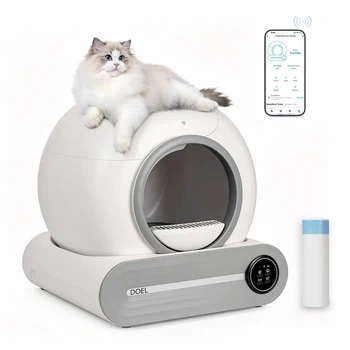
Wash pet bedding and fabric accessories as needed, following their care instructions. Clean food areas, litter areas, and other frequently used spaces regularly to maintain a more hygienic environment.
Build a Simple Weekly Organization Routine
You do not need to spend hours organizing pet supplies every week. A short, consistent check can help prevent clutter and make it easier to identify missing or damaged items.
Use this quick checklist to keep your pet's essentials in order:
- Check food and treat supplies.
- Wash feeding bowls and clean feeding areas.
- Inspect toys and remove damaged items.
- Clean and store grooming tools properly.
- Replenish waste bags and walking accessories.
- Wash bedding and towels when needed.
- Check carriers and travel supplies for wear.
- Dispose of expired or unsuitable products safely.
Adjust the checklist to match your pet's needs and your household routine. Some tasks, such as washing bowls, should be completed more frequently than a general weekly review.
Organizing your pet's daily essentials does not have to be complicated. A dedicated storage area, clearly grouped supplies, safe storage practices, and regular checks can make everyday care more convenient.
Start with the items you use most often, then gradually build a system that fits your home and your companion's needs. The goal is not perfect organization but a practical routine that helps you spend less time searching for supplies and more time enjoying your pet's company.
Take time today to organize one pet-care area and create a simpler routine for the days ahead.

0 Comments